
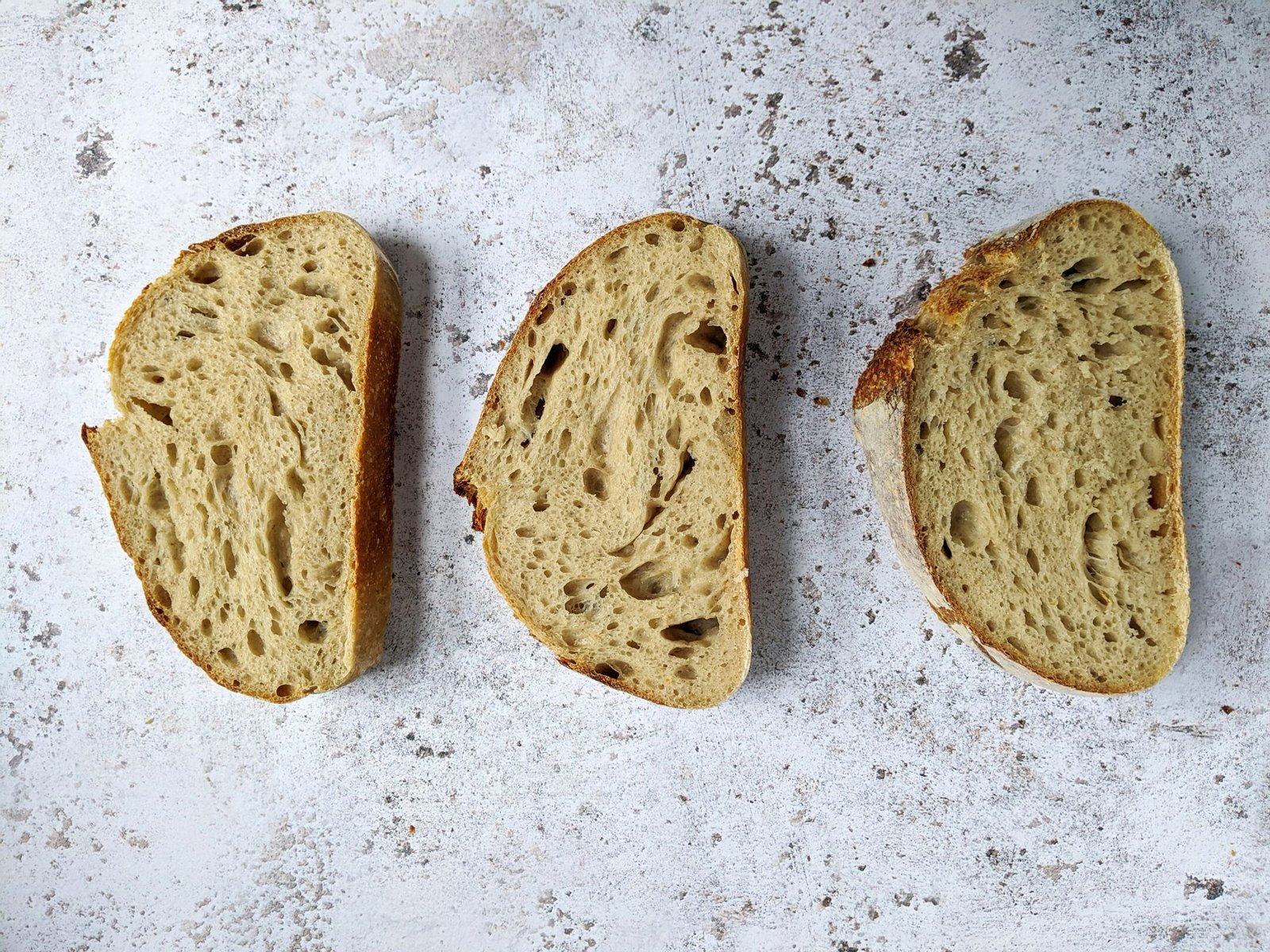
Introduction to Sourdough Bread
Sourdough bread is a remarkable baking option that has captured the interest of home bakers around the globe. Characterized by its distinct tangy flavor and chewy texture, sourdough is made using a natural fermentation process involving wild yeast and lactic acid bacteria. This combination is crucial in developing the nuanced taste and complex aroma that sourdough is celebrated for, making it a superior choice for artisanal bread lovers. In recent years, there has been a resurgence in interest in sourdough bread, as more individuals seek to embrace traditional baking methods.
The history of sourdough bread dates back thousands of years, with evidence suggesting that it was one of the first types of bread to be made by humans. Ancient civilizations utilized wild yeast from the environment, which created a perfect symbiosis for bread production. Unlike commercial yeasts, sourdough relies on a starter that has been cultivated over time, capturing the local microorganisms that enhance its unique properties. This age-old technique not only yields delicious bread but also connects bakers with centuries of tradition.
Sourdough is not only flavorful, but it also offers various health benefits compared to commercially produced yeast breads. The fermentation process breaks down gluten, making it easier to digest for some individuals with gluten sensitivities. Additionally, the presence of beneficial bacteria enhances nutrient absorption, making sourdough a more nutritious option. For beginners, starting with sourdough can be an incredibly rewarding experience. The process of creating a starter and mastering the fermentation can lead to a deeper appreciation for the art of baking, while also providing the opportunity to experiment with different flavors and textures. Ultimately, sourdough bread offers a unique culinary journey that invites both creativity and satisfaction in the kitchen.
Understanding the Sourdough Starter
A sourdough starter is a mixture of flour and water that fosters the growth of natural yeast and lactic acid bacteria. This starter acts as a leavening agent in sourdough bread, facilitating fermentation, which gives the bread its distinctive flavor and texture. Unlike commercial yeast, sourdough relies on the unique microorganisms in the starter, resulting in a more complex taste profile and better keeping qualities in the bread. The naturally occurring yeast and bacteria in the starter also contribute to its health benefits, including enhanced digestibility and potential probiotic effects.
Creating a sourdough starter is an engaging process that can be accomplished with minimal ingredients: flour, water, and time. Begin by mixing equal parts of all-purpose flour and water in a clean container. A common starting ratio is 1:1 by weight, for example, 50 grams of flour and 50 grams of water. Stir the mixture until it forms a thick batter, and then cover it loosely to allow air circulation while preventing contaminants from entering.
After the initial mix, feeding plays a crucial role in developing the starter’s potency. Feed your starter every 24 hours by discarding half of the mixture and adding fresh flour and water in equal parts. This process not only establishes a strong colony of yeast and bacteria but also ensures that the starter remains active and healthy. Within five to seven days, bubbles should appear on the surface, indicating fermentation. The starter should also develop a tangy aroma, a sign of the beneficial bacteria at work.
Once the starter doubles in size within a few hours after feeding, it’s ready for baking. It’s essential to maintain regular feedings and monitor its activity. Proper care of your sourdough starter is foundational for making delicious loaves of sourdough bread. In summary, a well-maintained starter can lead to bread with a unique flavor and delightful crust, making it a rewarding endeavor for any aspiring baker.
Gathering the Right Ingredients and Tools
Embarking on the journey of sourdough breadmaking requires careful selection of both ingredients and tools. Firstly, the type of flour is crucial. Bread flour, which has a higher protein content compared to all-purpose flour, imparts strength and structure to the bread. Whole wheat flour can also be incorporated; it adds a nutty flavor and enhances the bread’s nutritional value. Many experienced bakers recommend using a mixture of both, as this combination maximizes the flavor and texture of the final loaf.
Water quality is another vital consideration. Filtered or spring water is preferable, as it does not contain the additives often found in tap water, which can adversely affect fermentation. The temperature of the water can also impact the fermentation process—using lukewarm water can encourage the growth of yeast and bacteria in your sourdough starter.
Salt is also an essential ingredient, not only for flavor but also for regulating yeast activity during the fermentation process. A fine sea salt or kosher salt is typically recommended; however, one should avoid using iodized salt, as it may inhibit yeast growth.
Having the right tools can significantly enhance the sourdough-making experience. A sturdy mixing bowl is essential for combining the ingredients, while a digital scale ensures accurate measurement of flour and water, vital for achieving consistency in your bread. A bench scraper is useful for kneading and dividing dough, while a proofing basket helps maintain the shape of your loaf during the final rising phase.
Finally, investing in baking equipment such as a Dutch oven or baking stone is crucial. These tools facilitate even cooking and create the necessary steam environment for crust development, resulting in a beautifully baked sourdough loaf. By gathering the right ingredients and tools, you can set the stage for a successful sourdough baking experience.
The Bread-Making Process: A Step-by-Step Guide
Creating sourdough bread involves a series of meticulous steps, each crucial to ensure a successful outcome. This guide provides a detailed overview of the bread-making process, highlighting key stages such as mixing, autolyse, bulk fermentation, shaping, and proofing.
The journey begins with mixing the ingredients. Combine your sourdough starter, flour, water, and salt in a large bowl. It is essential to incorporate all dry flour for optimal hydration. The goal is to achieve a homogenous mixture where the flour absorbs water fully. Once mixed, let the dough rest for about 30 minutes, during which the next stage, autolyse, takes place.
During the autolyse phase, the dough rests undisturbed. This allows enzymes in the flour to start breaking down proteins, resulting in improved gluten structure. This step is crucial for developing a cohesive dough that will hold its shape during subsequent stages.
After the autolyse, proceed to bulk fermentation. This is the most critical phase where the dough develops flavor and structure. For about 3 to 4 hours at room temperature, you will perform a series of stretch and folds every 30 minutes. Aim for a gentle approach that strengthens the dough without deflating it too much.
Following bulk fermentation, you will move on to shaping the dough. Turn it onto a lightly floured surface and carefully shape it into a tight ball or loaf, depending on your preference. This shaping helps create surface tension, which is vital for achieving a good rise during baking.
Finally, the dough is left to proof. This crucial final resting period can range from 30 minutes to several hours, depending on your environment. The dough is ready for baking when it has expanded noticeably and passes the poke test – when gently pressed, it should spring back slowly.
Each step in this sourdough bread-making process contributes to the final product’s flavor, texture, and appearance. Attention to detail at every stage ensures a successful and delicious loaf.
Common Challenges and Troubleshooting Techniques
For beginners venturing into sourdough breadmaking, certain challenges often arise that can hinder the successful creation of a flavorful loaf. Understanding these common issues and knowing how to troubleshoot them is essential for refining one’s baking skills. One frequent challenge is producing a dense loaf. This can happen for several reasons, including inadequate fermentation or insufficient gluten development. Ensuring that the dough is well-kneaded and allowing for longer fermentation times can help achieve the desired texture.
Another significant issue is related to proofing—specifically, either under-proofing or over-proofing the dough. Under-proofed dough fails to rise adequately and results in a heavy, compact loaf. To address this, observe the dough for signs of proper fermentation, such as doubling in size and a slight doming of the surface. On the other hand, over-proofed dough can lead to a loaf that collapses in the oven due to the yeast exhausting its food supply. A good practice is to conduct the “poke test” by gently pressing the dough; if it springs back slowly, it is ready to bake.
Another common concern revolves around starter activity. If the sourdough starter does not rise or has an unpleasant smell, it may not be healthy enough for baking. This can often be remedied by ensuring the starter is fed regularly and kept at a consistent temperature. If the starter appears sluggish, consider using warmer water during feeding or giving it a few more feedings to rekindle its vigor. By paying close attention to these potential pitfalls and applying the relevant troubleshooting techniques, beginners can cultivate a successful sourdough breadmaking experience, ultimately leading to the production of delightful and reliable loaves.
Developing Your Own Sourdough Recipe
Creating a personalized sourdough recipe is an exciting journey for any home baker, allowing you to explore diverse flavors and textures that align with your preferences. The foundation of any sourdough bread recipe is its starter, but once you have that established, the possibilities are virtually endless. One of the first steps in customizing your recipe is to consider ingredient substitutions. For example, whole wheat flour can replace a portion of all-purpose flour to add more depth and nutrition to your loaf. Alternatively, experimenting with different types of flour, such as rye or spelt, can also yield unique flavors and textures that contrast with traditional recipes.
Flavor variations present yet another opportunity for customization. You might want to add ingredients like seeds, herbs, or dried fruits to enhance your loaves. Seeds such as sunflower, poppy, or sesame can provide delightful crunch and nutrition, while fresh herbs like rosemary or thyme introduce a savory touch. If you are inclined to incorporate sweetness, consider adding dried fruits like raisins or cranberries, which can complement the tanginess of the sourdough.
Furthermore, adapting your recipe to different hydration levels is essential for achieving the desired crumb structure and crust. Standard sourdough recipes typically use a hydration level around 70%. However, experimenting with higher hydration can produce an open crumb that many bakers admire. Conversely, lower hydration can result in a denser loaf, which may better suit specific recipes or tastes. By adjusting the water content in your dough, you can influence not only the texture but also the sourness of your bread, allowing you to tune your sourdough to perfection.
Ultimately, developing your own sourdough recipe encourages creativity and experimentation, resulting in a loaf that reflects your unique palate. Whether by altering ingredients, incorporating flavors, or varying hydration levels, the process is as rewarding as the finished product.
Caring for Your Sourdough Starter
Maintaining a healthy sourdough starter is crucial for successful breadmaking. A sourdough starter is a living culture of flour and water that requires regular feeding to thrive and develop the necessary yeasts and bacteria. Establishing a consistent feeding schedule is essential; most bakers recommend feeding the starter once every 12 to 24 hours, depending on factors such as room temperature and the starter’s activity level.
At room temperature, a starter will ferment more quickly, generally needing daily feedings. This environment encourages vigorous yeast growth, making it ideal for active baking days. Conversely, if you plan to bake less frequently, refrigeration is a practical option. A cold environment slows down fermentation, requiring feedings approximately once a week. Before using a refrigerated starter, allow it to come to room temperature and feed it at least once to reactivate the yeast activity.
Identifying when your sourdough starter is ready to bake with is also essential. An optimal starter will be bubbly and have doubled in size within a few hours after feeding. It should emit a pleasant, tangy aroma, indicating a balance of yeasts and lactic acid bacteria. To perform a “float test,” take a small spoonful of the starter and carefully drop it into a glass of water; if it floats, it’s ready to be used in your bread recipe.
If your starter appears unhealthy, characterized by a layer of liquid on the surface or an off-putting smell, determine whether it can be revived. Discard a portion and feed it fresh flour and water, allowing it time to recover. It’s essential to maintain a consistent feeding regimen, as a well-cared-for sourdough starter is key to achieving the delightful complexity of flavors in your homemade sourdough bread.
Baking and Storing Your Sourdough Bread
Baking sourdough bread requires careful attention to detail, as each step contributes to the final flavor and texture of the loaf. Begin by preheating your oven to a temperature of 450°F (232°C). This high heat is essential for achieving a good rise and crust formation. If you are using a baking stone or Dutch oven, allow at least 30 minutes of preheating time to ensure even heat distribution.
Once your oven is preheated, it is important to score the top of your bread. Scoring serves a dual purpose: it allows gases to escape during baking and creates a decorative pattern on the loaf. Use a sharp razor blade or a bread lame to make one or several shallow cuts. This technique not only enhances the loaf’s appearance but also helps manage its expansion in the oven.
Identifying the doneness of your sourdough bread is crucial for achieving a perfect bake. The loaf should have a deep golden-brown crust and sound hollow when you tap the bottom with your fingers. Additionally, the internal temperature should reach about 200°F (93°C) using an instant-read thermometer. If the crust is not the desired color yet, leave the bread in the oven for a few more minutes, checking frequently to avoid over-baking.
After removing the bread from the oven, allow it to cool on a wire rack. This cooling period prevents moisture from accumulating on the bottom, ensuring a crispy crust. For optimal freshness and flavor retention, store the cooled bread in a paper bag or a bread box, as plastic can lead to a soggy crust. If you need to keep it for an extended period, consider slicing the bread and storing it in an airtight container or freezer bag in the freezer.
Community and Resources for Sourdough Enthusiasts
Engaging with the sourdough community can significantly enhance the learning experience for both beginners and seasoned bakers alike. The journey to mastering sourdough breadmaking often becomes easier and more enjoyable when shared with others who share similar interests. Online forums and social media groups dedicated to sourdough baking provide an excellent platform for enthusiasts to connect, ask questions, and access a wealth of knowledge.
One popular platform for sourdough aficionados is Reddit, specifically the r/Sourdough subreddit. This forum hosts a vibrant community where users post their bread results, discuss challenges, and share troubleshooting advice. Participants frequently exchange tips on sourdough starter maintenance, fermentation times, and baking techniques. Another significant resource is Facebook, where numerous sourdough-specific groups exist, allowing members to showcase their creations, seek assistance, and foster collaboration.
Additionally, several well-known blogs and websites focus on sourdough baking, providing tutorials, recipes, and troubleshooting guides. Websites like The Perfect Loaf and Sourdough Home serve as comprehensive resources, offering step-by-step instructions tailored for beginners. Furthermore, popular cookbooks, such as “Tartine Bread” by Chad Robertson and “Sourdough” by Richard Bertinet, are invaluable resources that not only delve into recipes but also explore the science behind sourdough fermentation and techniques.
Incorporating insights from multiple sources and interacting with fellow bakers creates a supportive environment conducive to learning. More experienced bakers are often more than willing to offer advice, share their experiences, and even mentor newcomers. This community and shared learning environment can be crucial in developing confidence and skill in sourdough breadmaking. As one embarks on this culinary journey, utilizing the available resources will ensure a more enriching experience.

Hey i’m Aimee! I own Dough.
Very passionate about baking bread for you, sharing my tips and tricks, and talking about loaves.